Do You Find Yourself Being Your Own Worst Critic?
Most of us have an inner voice.
Sometimes it encourages us.
Other times, it criticises everything we do.
If you constantly tell yourself you’re not good enough, focus on your mistakes, or feel like nothing you do is ever enough, you are not alone.
Many people are far kinder to others than they are to themselves.
Over time, this pattern of self-criticism can contribute to anxiety, stress, burnout and low self-esteem.
The good news is that self-criticism is not something you are born with. It is often a learned pattern, and it can be changed.
Providing online counselling and psychotherapy for clients across Ireland and internationally experiencing anxiety, perfectionism, burnout and low self-worth.
What Does It Mean to Be Hard on Yourself?
Being hard on yourself means holding yourself to standards that you would rarely expect of anyone else.
You may:
Focus on your mistakes instead of your achievements
Feel like you’re never doing enough
Compare yourself constantly to others
Struggle to accept compliments
Feel guilty when you rest
Set impossibly high expectations
Criticise yourself for even small errors
No matter how much you achieve, it rarely feels like enough.
Common Signs of Self-Criticism
You may recognise some of these thoughts:
“I should have done better.”
“I’m letting everyone down.”
“I’m not good enough.”
“I always get things wrong.”
“Everyone else seems to cope better than I do.”
“If I make a mistake, people will think less of me.”
Over time, these thoughts can become so familiar that they feel like facts rather than opinions.
Where Does Self-Criticism Come From?
Self-criticism often develops over many years.
It may be influenced by:
High expectations during childhood
Fear of failure
Perfectionism
Experiences of criticism or rejection
Comparing yourself to others
Feeling that love or approval had to be earned
Many people learned that being hard on themselves was a way to stay motivated or avoid making mistakes.
Unfortunately, this approach often increases anxiety rather than improving confidence.
Why Self-Criticism Doesn’t Motivate You
Many people believe that being tough on themselves helps them succeed.
In reality, constant self-criticism often leads to:
Increased anxiety
Loss of confidence
Burnout
Procrastination
Fear of failure
Emotional exhaustion
Research consistently shows that self-compassion is more effective than self-criticism when it comes to resilience, motivation and emotional wellbeing.
The Difference Between High Standards and Perfectionism
Having goals and wanting to do well is healthy.
Perfectionism is different.
Healthy standards allow room for mistakes, learning and growth.
Perfectionism often tells you that anything less than perfect is failure.
This can leave you feeling as though you are constantly falling short, even when you’re doing exceptionally well.
Learning to Speak to Yourself Differently
Changing self-critical patterns takes time.
Some helpful questions to ask yourself include:
Would I say this to someone I care about?
Is this thought completely true?
What evidence do I have for this belief?
What would a kinder response sound like?
Learning to challenge your inner critic does not mean lowering your standards.
It means treating yourself with the same compassion you would offer someone else.
How Therapy Can Help
Therapy provides a safe space to explore where self-critical patterns began and why they continue.
Together we can work on:
Building healthier self-esteem
Reducing perfectionism
Managing anxiety
Challenging unhelpful thinking patterns
Developing self-compassion
Building confidence
Over time, many clients notice they become calmer, more resilient and less controlled by their inner critic.
Final Thoughts
If you often feel like you’re never good enough, you’re not alone.
Being hard on yourself may have once helped you cope, but it doesn’t have to define how you live today.
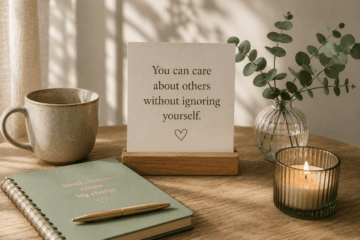
Learning to treat yourself with kindness isn’t about lowering your standards.
It’s about recognising that you deserve the same compassion you so readily offer to everyone else.
With support, it is possible to quieten your inner critic and develop a healthier, more balanced relationship with yourself.
2 Comments
Why Do I Need Constant Reassurance? Understanding Reassurance Seeking · 25 July 2026 at 9:58 am
[…] Low self-worth […]
Why Do I Feel Anxious Even When Everything Is Fine? · 22 September 2026 at 1:01 pm
[…] you regularly find yourself judging your own reactions, my article Why Am I So Hard on Myself? Understanding Your Inner Critic explores this in more […]