Many people ask what healthy communication actually looks like in a relationship.… But What Does That Really Mean?
Most couples know communication matters.
Yet when relationships become strained, many people find themselves asking:
“We’re talking… so why do we still feel so disconnected?”
Healthy communication isn’t about never disagreeing.
It’s not about always saying the right thing.
And it certainly isn’t about avoiding conflict altogether.
Healthy communication is about creating a relationship where both people feel heard, understood and respected, even when they don’t agree.
If your conversations often end in frustration or leave you feeling misunderstood, you’re certainly not alone. Communication patterns develop over time, but the encouraging news is that they can also change.
Healthy Communication Isn’t About Being Perfect
Every relationship has disagreements.
The healthiest couples aren’t those who never argue.
They’re the couples who know how to repair after conflict and find their way back to one another.
Healthy communication allows both people to express themselves honestly without fear of criticism, contempt or rejection.
It creates emotional safety.
Signs of Healthy Communication
Healthy communication often looks like:
- Listening without interrupting.
- Feeling able to express your thoughts honestly.
- Being curious rather than making assumptions.
- Respecting different opinions.
- Taking responsibility for your own feelings.
- Apologising when you’ve made a mistake.
- Working together to solve problems rather than trying to “win.”
These habits help build trust over time.
What Gets in the Way?
Many communication difficulties don’t begin with poor intentions.
Often, they develop because we’re feeling overwhelmed, anxious or unheard.
You may notice patterns such as:
- Becoming defensive.
- Shutting down during difficult conversations.
- Raising your voice because you don’t feel listened to.
- Avoiding important discussions altogether.
- Criticising instead of explaining how you feel.
- Expecting your partner to know what you need without saying it.
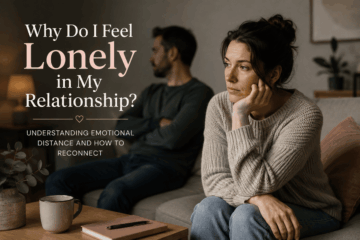
These reactions are understandable, but they can leave both partners feeling lonely and disconnected.
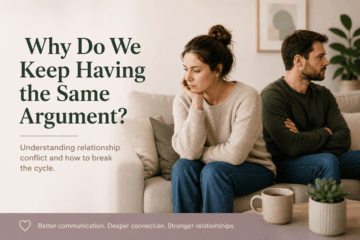
If you often find yourselves repeating the same disagreements, you may also find my article Why Do We Keep Having the Same Argument? helpful.
Listening Is More Important Than Finding the Perfect Words
When relationships become difficult, many people focus on saying the right thing.
In reality, feeling genuinely listened to is often far more important.
Healthy communication means listening with curiosity rather than preparing your response while the other person is still speaking.
Simple questions like:
“Can you help me understand?”
or
“Tell me more about how that felt for you.”
can completely change the tone of a conversation.
It’s Okay to Take a Break
Healthy communication doesn’t mean continuing an argument when emotions are running high.
Sometimes the healthiest thing you can do is pause.
Taking time to calm your nervous system before returning to the conversation often leads to much more productive discussions.
The important part is agreeing to come back to the conversation rather than avoiding it completely.
Communication Starts With Understanding Yourself
Many relationship difficulties aren’t just about communication skills.
They can also be influenced by anxiety, past experiences, self-worth or fear of rejection.
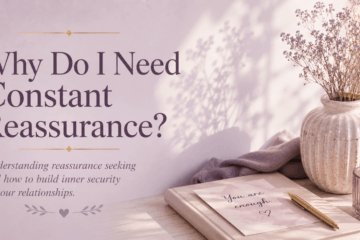
For example, someone experiencing relationship anxiety may constantly seek reassurance because they’re afraid of losing the relationship.
Similarly, someone who struggles with people-pleasing may avoid expressing their own needs altogether.
Understanding these deeper patterns often creates more lasting change than simply learning communication techniques.
How Therapy Can Help
Relationship counselling provides a safe space to slow conversations down and better understand what’s happening beneath the surface.
Together we can explore:
- Communication patterns.
- Emotional needs.
- Conflict.
- Trust.
- Boundaries.
- Anxiety within relationships.
- Building healthier ways of connecting.
The goal isn’t to decide who’s right.
It’s to help both people feel understood and work together more effectively.
Final Thoughts
Healthy communication isn’t about having the perfect relationship.
It’s about creating a relationship where both people feel safe enough to be honest, vulnerable and heard.
Like any skill, communication can be strengthened with time, understanding and practice.
Small changes often make a much bigger difference than people expect.
If you’ve recognised yourself in this article and would like support, I offer online counselling and psychotherapy for clients across Ireland. You can find out more or book an initial appointment on my Contact page.
0 Comments